
Being cheated on may be the most painful part of modern relationships. Regardless of how attractive or “perfect” they are, anyone can be cheated on — and judging by today’s celebrities and “icons,” that’s plainly true. From the most beautiful to the most charismatic, there’s hardly a famous person who hasn’t been through it. It’s a problem that touches a huge part of society.
It’s obviously deeply painful. So how do we cope with it? Do we have to suffer? What does being cheated on mean, and what does it say about us? In this article I want to look at these questions in depth.
What We Feel When We’re Cheated On
When we’re cheated on, naturally we’re badly shaken. Our self-confidence can collapse; we start questioning our life choices and ourselves, wondering where we went wrong and criticising ourselves harshly. Even getting out of bed can start to feel like torture.
Negative emotions are just as much a part of us as positive ones — because we’re all human.
If we dig a little deeper, four feelings tend to dominate:
- Feeling worthless: Naturally, we feel that the other person didn’t value us or care about us.
- Feeling unloved: We believe our partner no longer loves us, that they looked for love elsewhere and the feelings in the relationship have run dry.
- Feeling inadequate: We think we weren’t enough for our partner, and that’s why they turned elsewhere. We start questioning ourselves. What more could I have done? What did I do wrong? Am I boring? Not fun enough?
- Feeling fooled: We think our partner made a fool of us. That, in turn, makes us see ourselves as foolish, makes us feel worthless — and a four-part cycle begins.
In the heat of the moment, with anger and grief running high, it’s easy to react impulsively and jump to conclusions. But when we stay calm and think it through, we can see that none of this is true. Were we cheated on because we’re stupid? Because we’re not enough?
No.
None of that is true.
What Infidelity Really Says
Let’s look at how cheating actually happens.
Let’s agree on this: your partner may have grown bored of you, may not love you the way they used to, may not find you as attractive as before. They may be looking for a new thrill. The answer to that is to break up, divorce, end the engagement. Not to cheat.
Being cheated on says far more about the character of the person who cheats than about you.
If your partner chooses to cheat instead of doing the right thing, that’s a character problem.
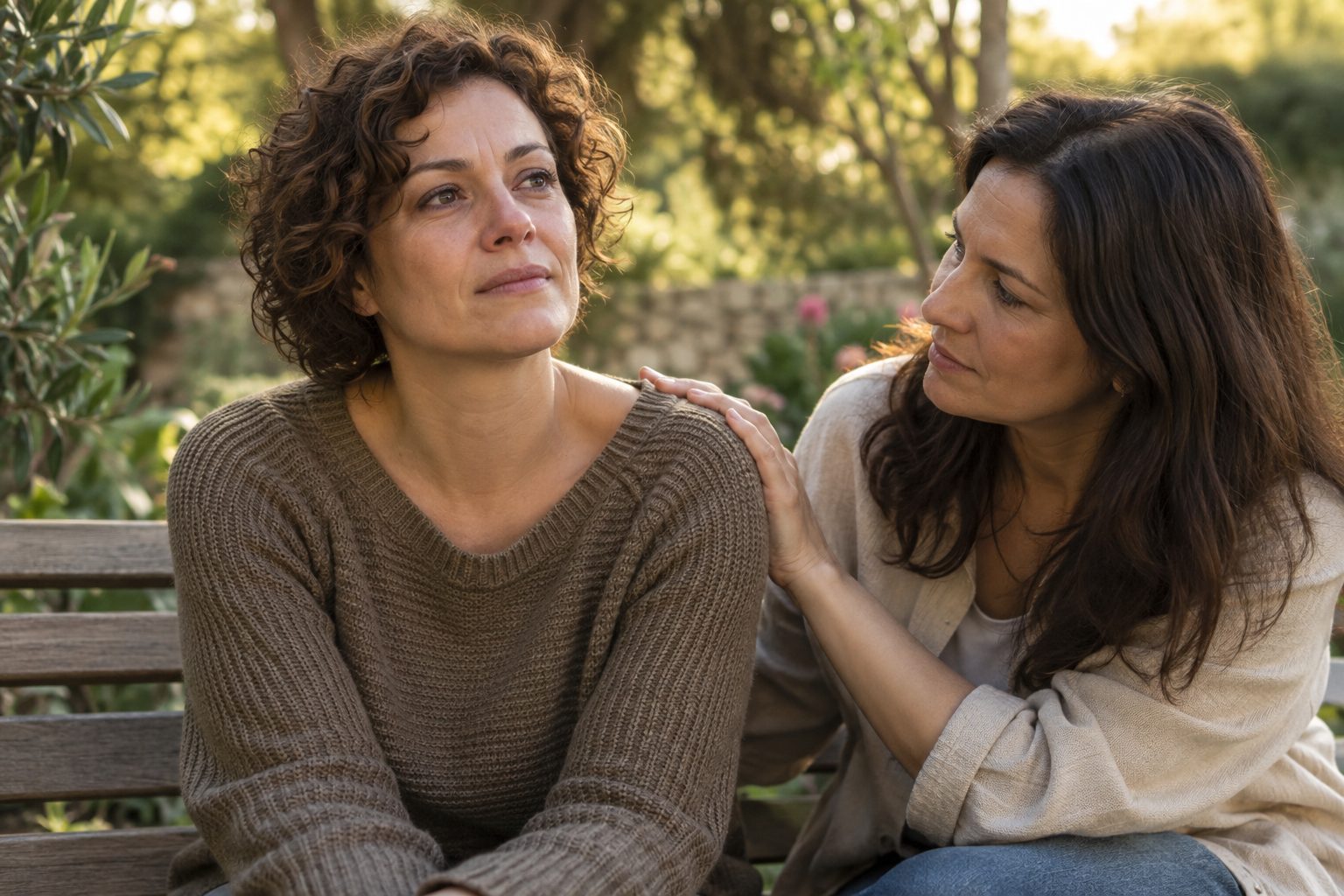
Being with a second person instead of ending things — and lying to them as well — is not acceptable. It reveals serious problems in the cheater’s character.
Being cheated on does not mean you’re unworthy of love or that you have no value.
How to Get Through the Pain
Unfortunately, human psychology is complex. We don’t believe something just because we’re told it’s so. The same applies here: telling yourself “No, I’m valuable” may not be enough to make you believe it.
First — and this is probably the hardest part — at the moment when it’s all fresh, when you’re angriest, saddest and most shaken, stop attacking yourself. Don’t talk harshly about yourself; don’t label yourself. Just collect your thoughts and think.
“I was cheated on because I’m worthless.”
No.
“I was cheated on because I’m stupid.”
No.
“I’m unimportant; I wasn’t enough for my partner, so they cheated on me.”
No.
Examine the situation rationally. Try to understand what happened. Look closely at your partner. If you feel the need, confront them. Sit down with them and ask every question on your mind.
Do all of that. The very last thing you should do is blame yourself.
It’s not your fault that your partner cheated on you instead of leaving. Never forget that.
Question Your Choice — Not Your Worth

Remember, this isn’t about your character, your money or your looks. You could be the most wonderful, richest, most attractive person in the world and still be cheated on — and you could be the worst person imaginable and never be cheated on. If you’re going to question anything, question only your choice of partner. Do it so you can learn the lesson and avoid ending up in the same situation again. But there’s a fine line here. We can’t read minds. We can’t know what’s inside another person. We can only guess and observe, relying on our past experience. We can’t know that someone will choose a huge, impulsive wrong over the difficult right thing. Yes, question your choice of partner — but absolutely do not blame yourself for it.
I hope this helps. The one thing I ask of you — difficult as it is in the face of such pain — is not to label yourself. Stay calm. Breathe deeply and try to analyse what happened. Remember: being cheated on isn’t your fault. It’s the fault of the person who cheated.
In my individual sessions we create a personal roadmap and heal step by step, session by session. If you need help, please don’t hesitate to ask. Click here to find out more about the sessions.
Until happier days — take care.