
Love, romance, togetherness, excitement… Beautiful words, aren’t they? And then on the other side: arguments, cheating, break-ups, depression… These words seem to follow the first group around like Laurel and Hardy after a while. But you don’t have to stay stuck in that cycle. With four simple approaches, you can have far happier relationships. I’ll share all four steps with you in a series of articles. Today’s topic is “The Purpose of a Relationship.”
Where we place relationships in our lives — in other words, the foundation we build them on — matters enormously. If you build on an unstable foundation, collapse is inevitable when the earthquakes come.
Why Do We Enter Relationships?
Why do we get into relationships and bring someone into our lives? Your answer directly affects both how much you enjoy the relationship and how you feel after it ends. Think about it. What does a relationship mean to you?
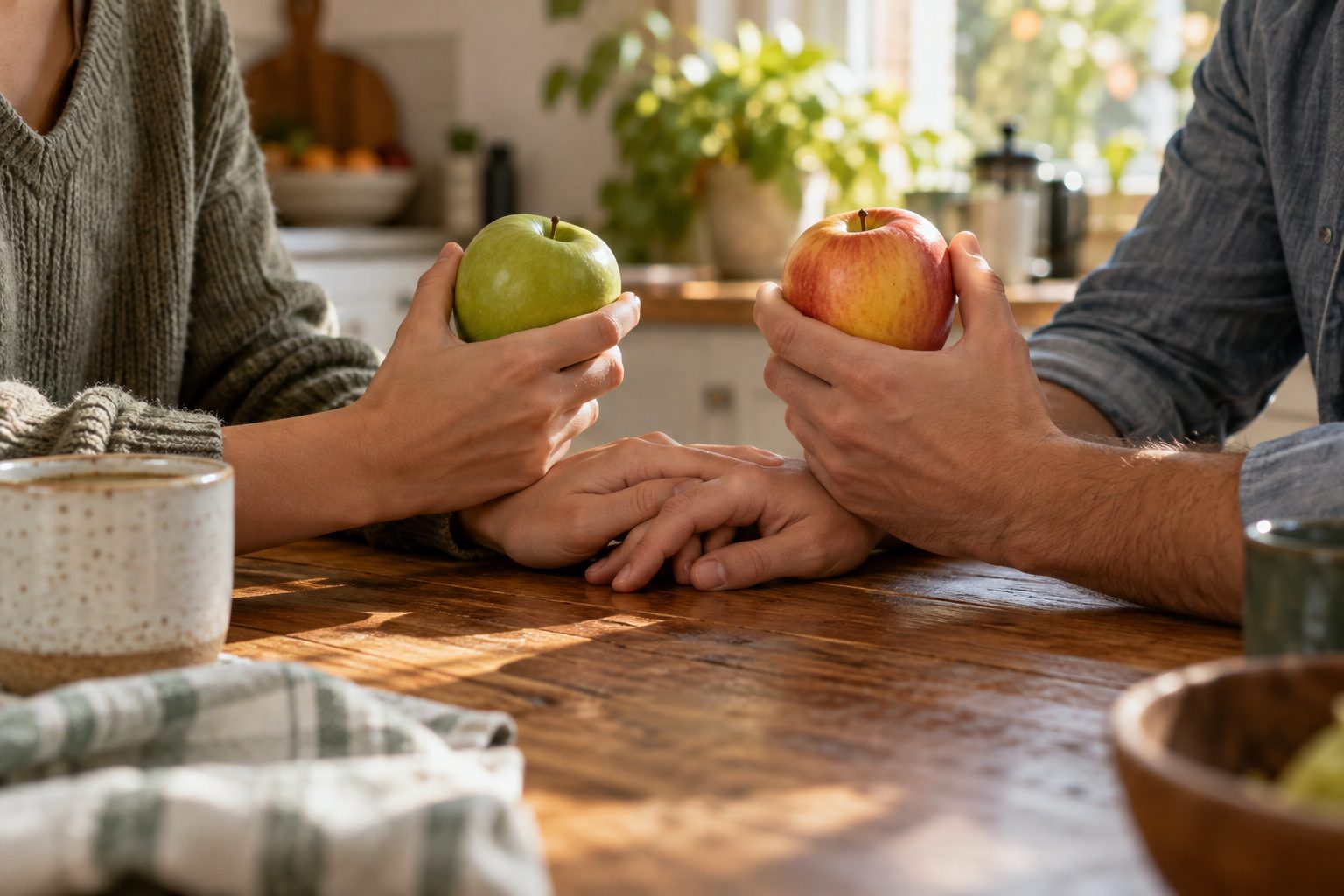
Finding your other half to complete you? Then I’m sorry. One day, when the relationship ends, you’ll have to go on living as half a person. Or, constantly afraid of being left incomplete, you’ll make compromise after compromise and turn the relationship into poison for yourself. Yes — you’ll live with a fear of loss. Does that scenario sound familiar?
Finding the person you’ll spend the rest of your life with? Then again, I’m sorry. When the relationship ends, all your dreams of the future will go down the drain with it. Every relationship that ends will be chalked up as a failure. “Oh no, I failed again,” you’ll say — and your confidence will drain away day by day.
Being with someone who makes you feel happier, calmer, stronger and more valuable? Then you’re handing your happiness, peace, strength and worth over to another person. You’ll be on edge for the whole relationship, and to avoid losing those feelings you’ll fall into all kinds of jealousy, moods and crises. Does that one sound familiar too?
The purpose of your relationship is not to complete your missing half, not to find the person you’ll be with forever, and not to make you feel more valuable, peaceful, strong and happy. All of these approaches are relationship traps.
Yes, saying “Without you the world is an empty void,” “I could never give you up,” “I’d even give myself up for you,” or “I’ll never find anyone like you” sounds very romantic — but these are trap sentences fit only for third-rate romance novels.

So What Should the Purpose Be?
The purpose of a relationship is to experience yourself, to grow — and to enjoy yourself while you do. That’s all, and it really is that simple. We’re the ones who make it complicated.
The greatest meaning in life is to “move forward” and “grow.” Any life in which growth and progress have stopped is meaningless. If you stay stuck in the same place for thirty years, it will crush you. Yet every relationship is a wonderful source of experience and growth. We learn so much from relationships. Sometimes we’re sad, sometimes angry, sometimes we cry. But if we can read the relationship correctly and take the right messages from it, we come out of the whole experience stronger, wiser and more grown.
My Most Successful Relationship
Let me give you an example from my own life. A few years ago, before I was a life coach, I had a girlfriend. At first everything was wonderful. But after a while, fear of loss, jealousy, disagreements and arguments crept in. She was the most negative person I had ever met, and within a few months she had managed to drag even a positive person like me into negativity — thanks for that! There were constant fights and arguments, and on top of that a mutual fear of losing each other… At some point I had almost forgotten how to laugh, and I didn’t even notice. I was going through the worst period of my life. What a failed relationship, right? On the contrary — it may have been the most successful relationship of my life! I’m so glad she came into it!

How so? Hitting rock bottom is what led me to personal development. Of course, the first thing I did was break up with her — I don’t suppose that surprises you. I dived into personal development at a much deeper level. I read more, researched more, rediscovered myself and recreated myself. I built a far more positive and happy world for myself. The more I did, the more interested I became in personal growth, and I realised I could contribute to the people around me too. In the end I decided to do the work I fell in love with — to become a life coach. And I did. Yes, you’re reading these lines thanks to that wonderful girl. Without her, I might never have become so interested in personal development, never specialised in it, and never shared this article with you.
And that’s not all. I loved the neighbourhood she lived in. Some time after we broke up, I moved there myself. So I owe her the place I live today, too.
It also gave me plenty of opportunity to question what we get wrong in relationships, and I discovered approaches that have since made the love lives of dozens of people who came to me for help far better.
So I’ll ask again: was that relationship a failure? No — it was perhaps the most successful relationship of my life. It added the most to my life and brought me closest to who I am today. When I look back, I say: I’m so glad I met her.
A relationship’s success has nothing to do with how long it lasts or how much it “completes” you. A relationship is as successful as the growth you can draw from it.
See Relationships as Experience and Growth

When you see relationships as tools for experience and growth, everything becomes much easier. Just make sure you take the right messages from them and ask yourself, “What can I learn from this relationship?” Believe me, you’ll always find something to learn and somewhere to grow.
So what have your relationships so far given you? What would you like your current or next relationship to give you? What can you learn from all of this?
From now on, what do you want the purpose of your relationships to be? To search for a lifelong union and count yourself a failure every time? Or to feel wonderfully successful after every relationship that ends?
The choice is yours!
Next in the series: Step 2 — Let Go of Expectations.